
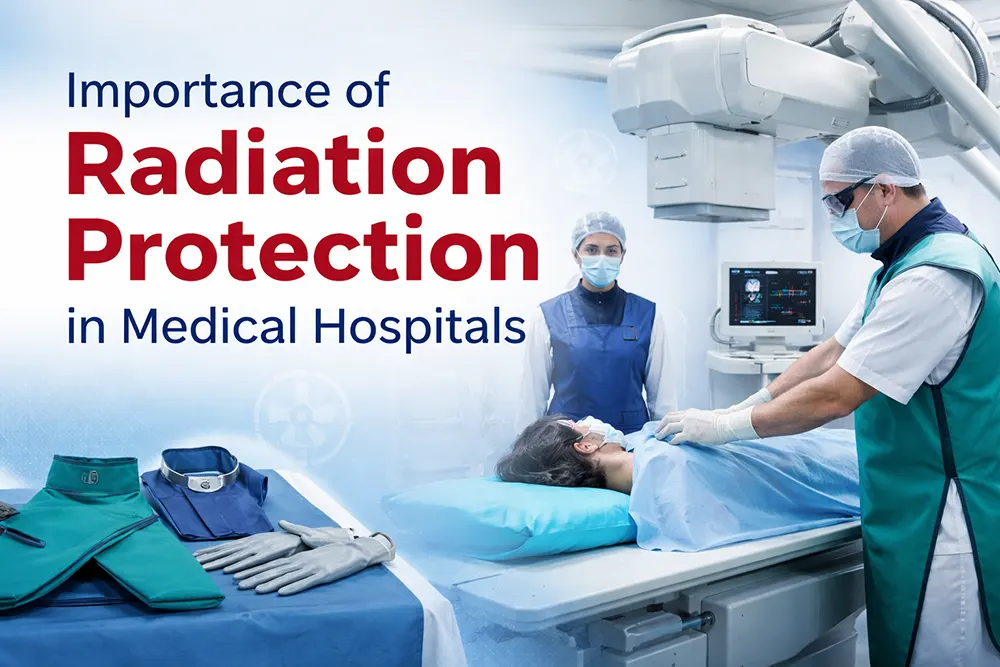
Radiation protection in medical hospitals is a critical aspect of modern healthcare systems. With the growing use of diagnostic imaging technologies such as X-rays, CT scans, and fluoroscopy, the risk of radiation exposure has significantly increased. Ensuring proper safety measures helps protect both patients and healthcare professionals from potential long-term health hazards.
Healthcare facilities follow strict guidelines and protocols to control radiation exposure. The use of protective equipment like lead aprons, thyroid shields, and radiation-absorbing barriers is essential in minimizing direct exposure. Additionally, properly designed X-ray rooms with lead-lined walls and controlled access areas further enhance safety within the facility.
"Effective radiation safety is not optional — it is a responsibility that ensures trust, protection, and quality care in every medical procedure."
Key Safety Protocols
- Mandatory use of protective gear such as lead aprons and thyroid shields.
- Continuous monitoring of radiation exposure levels using dosimeters.
- Maintaining a safe distance from radiation sources whenever possible.
- Installing lead-glass viewing panels for safe observation.
- Following ALARA (As Low As Reasonably Achievable) safety principles.
- Regular inspection and maintenance of shielding infrastructure.
Training and awareness among healthcare staff play a vital role in maintaining a safe environment. Proper education on handling radiology equipment and understanding exposure limits helps reduce risks significantly. Hospitals that invest in safety training ensure better compliance and improved overall performance.
In conclusion, radiation protection is a fundamental requirement in medical hospitals. By combining advanced technology, strict safety protocols, and continuous staff training, healthcare institutions can create a secure environment that prioritizes both patient care and worker safety.